artist statement
Sonja Keppler’s artistic practice is deeply rooted in an exploration of nature and its rich diversity of forms. The archaic and aesthetic qualities of natural structures are central to her sculptural work, as is her fascination with the art and culture of ancient civilizations. Their rituals, customs, and ways of life continue to resonate within contemporary society, shaping cultural memory and collective identity. Rather than representing a nostalgic return to the past, these influences reveal how ancestral knowledge can be continually reinterpreted and integrated into the present.
A recurring theme in Keppler’s work is the relationship between modern humanity and the primordial, between contemporary experience and archaic forms of knowledge. Her research investigates the cultural, sociological, and psychological dimensions of the relationship between people and objects, examining how material things acquire meaning through use, ritual, and perception. Philosophical inquiry complements her practical studio work, which is driven by questions about why humans have always felt compelled to create objects that transcend mere functionality and embody beauty, symbolism, and imagination.
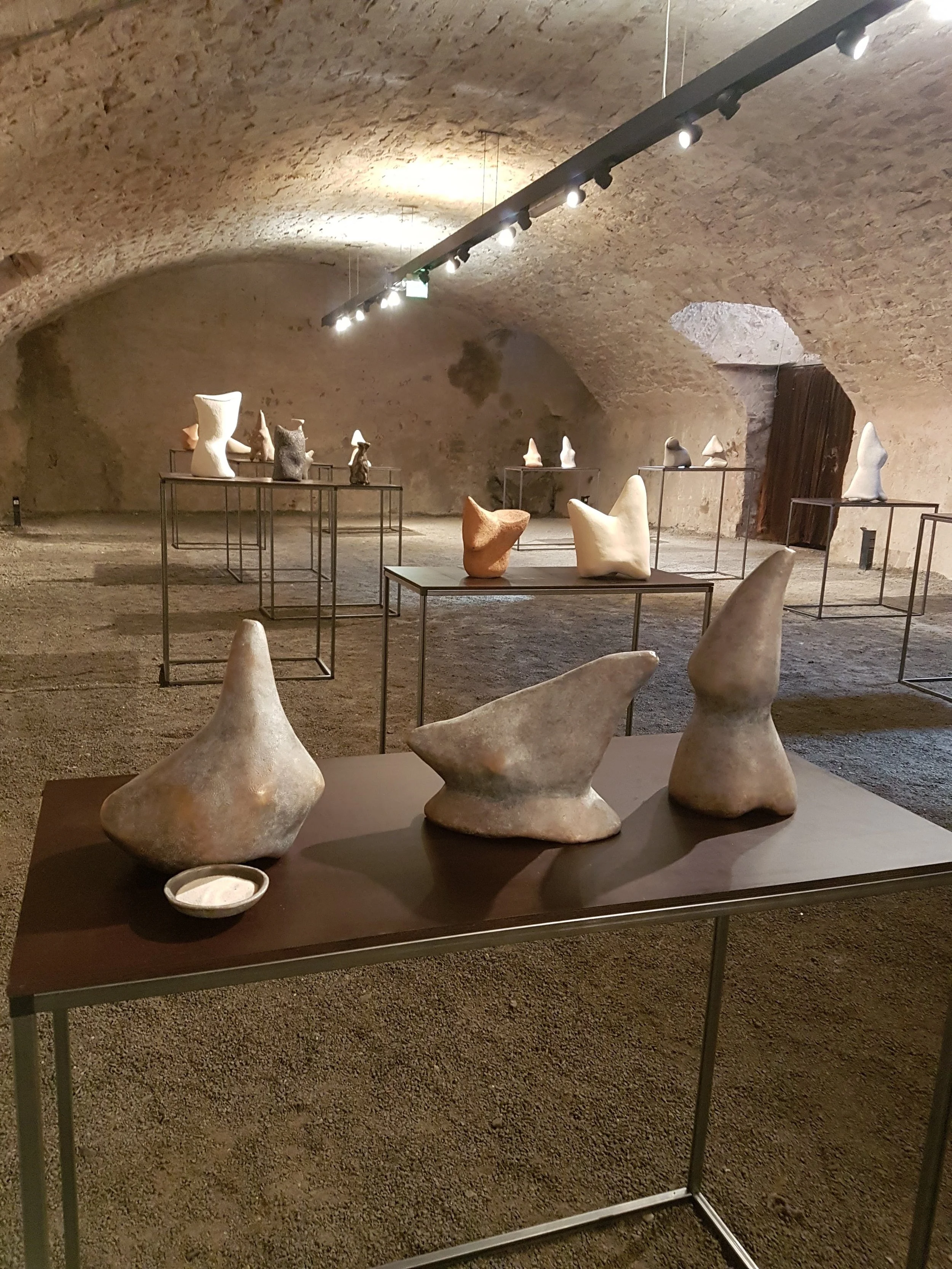
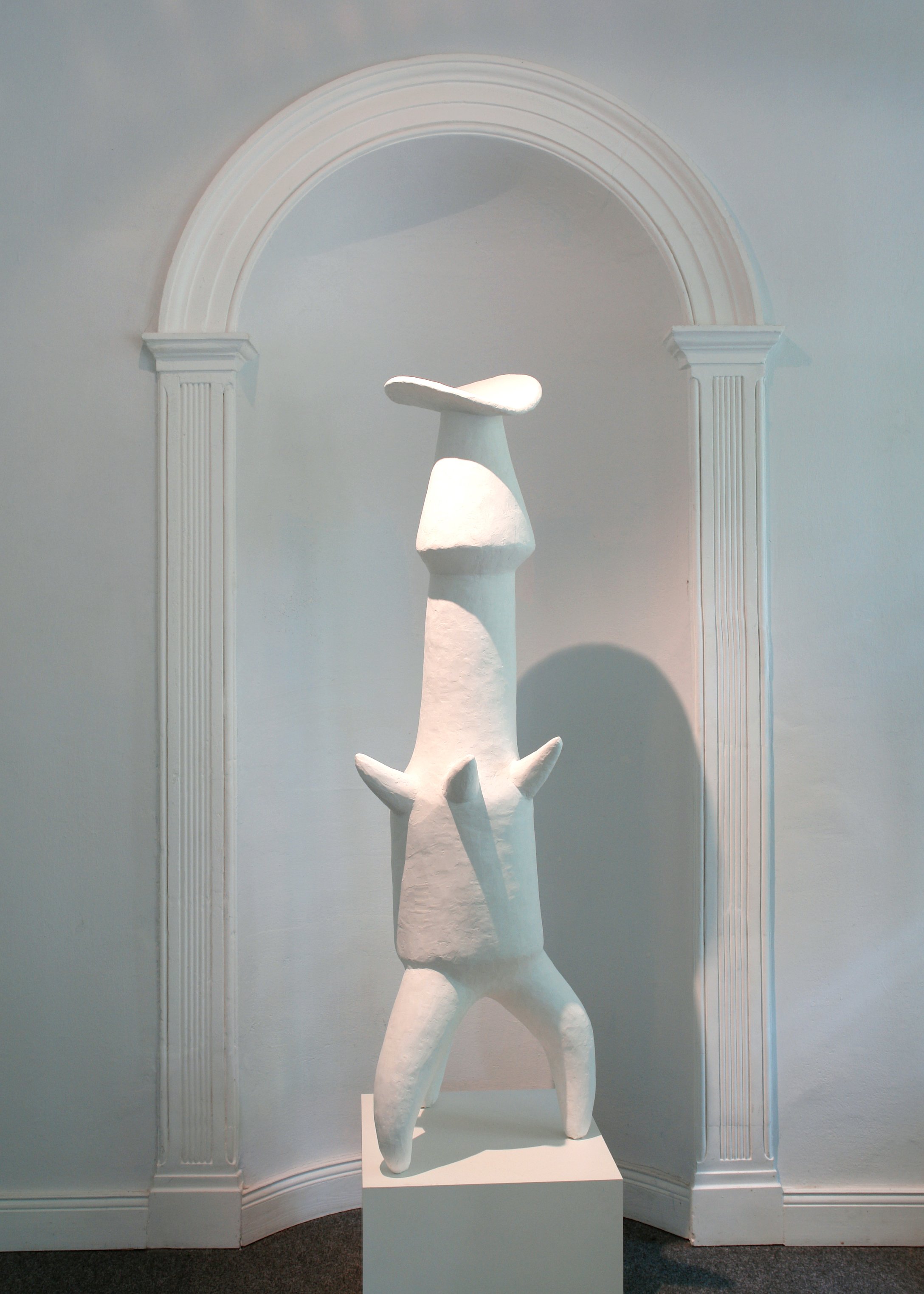
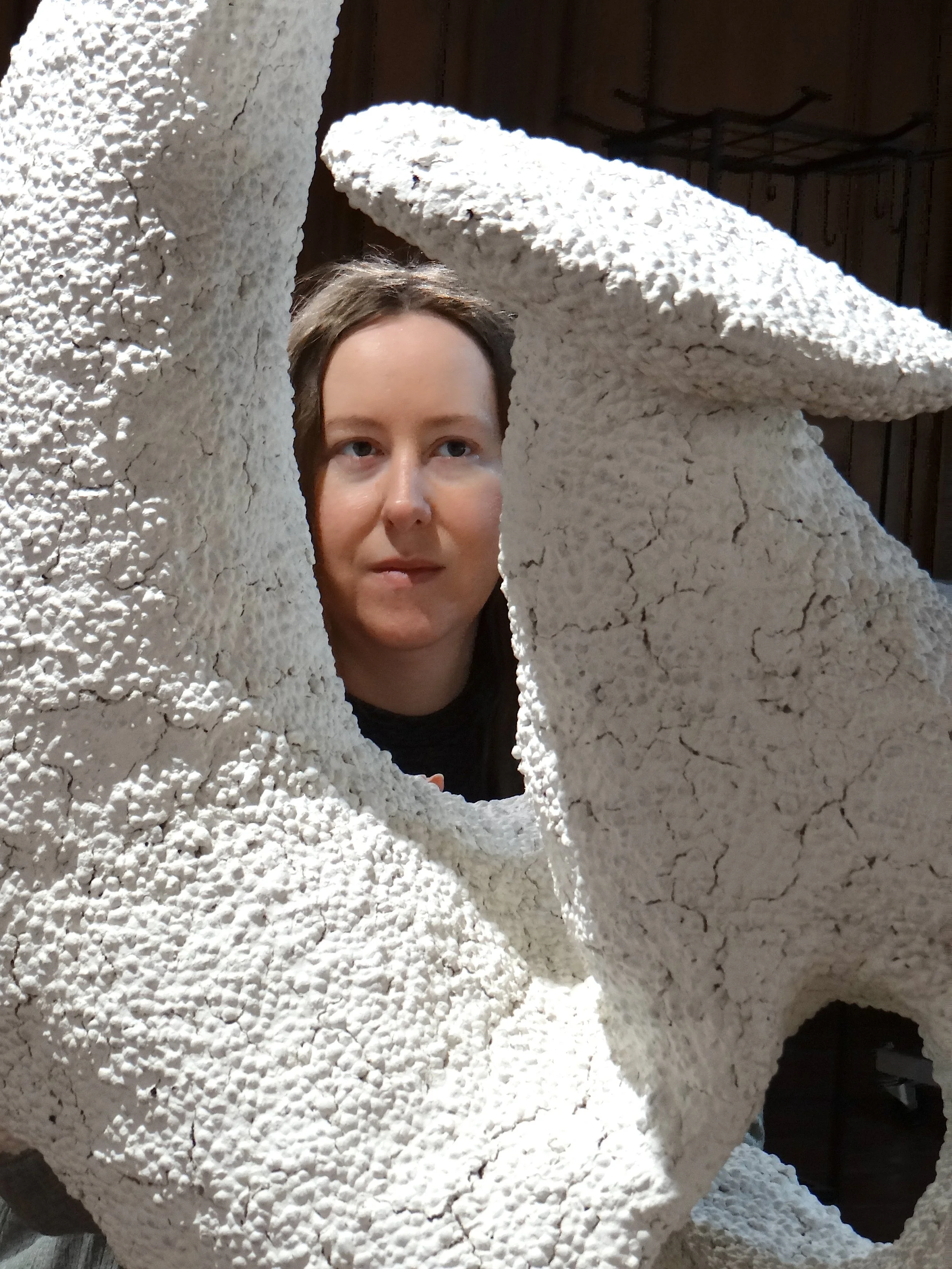
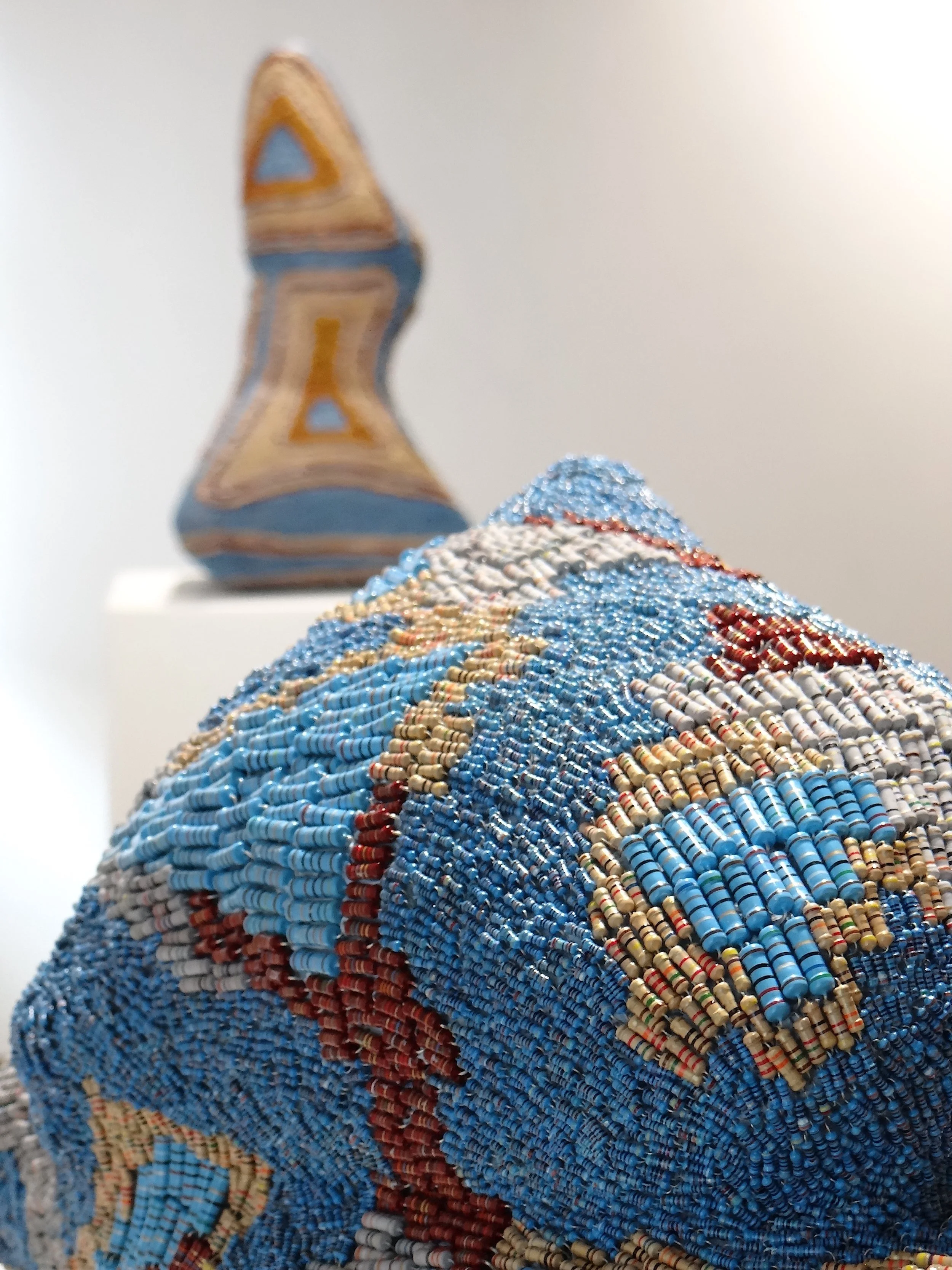
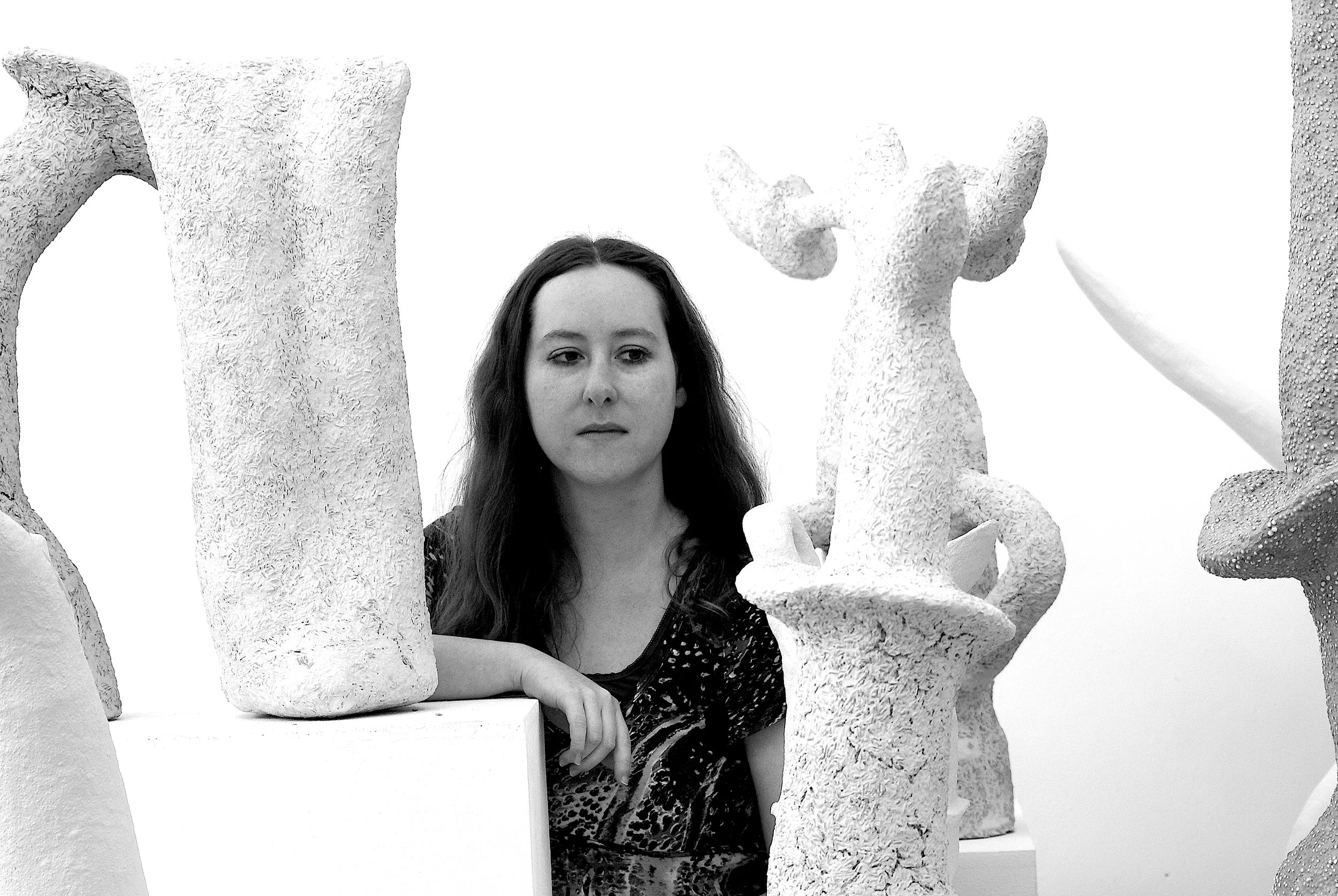
The artist works with a wide range of materials and is particularly interested in experimentation and material transformation. Her practice encompasses recycled materials, paper mâché, plaster, wire, ceramics, bronze, and organic matter. Surface, texture, and growth play a crucial role in the development of her sculptures. Rough and organic structures emerge through the combination of diverse materials, creating forms that evoke natural processes and ancient artifacts alike.
A significant body of work focuses on the use of living organisms as sculptural agents. In her mushroom sculptures, forms are filled with inoculated substrate and subsequently transformed by the growth of Reishi mycelium. The artist establishes the initial structure, but the living organism continues the process, expanding beyond the intended boundaries and redefining the form. These works appear at once human, animal, and alien, suggesting new possibilities for collaboration between artistic intention and biological growth.
Another important aspect of Keppler’s work is an alternative understanding of beauty—one that embraces impermanence, aging, and decay. Inspired in part by the Japanese philosophy of wabi-sabi, her sculptures often appear weathered, eroded, or transformed by time. Although newly created, they evoke the traces of history and natural processes. This interest was further shaped by her studies with sculptor Abraham David Christian, whose experiences in Japan offered lasting inspiration. Through her work, Keppler explores transformation, fragility, and the poetic tension between creation and dissolution.
Follow for Ongoing Updates